Meeting intelligence for wealth firms

The accounts transfer.The understanding doesn't.

A senior advisor retires. A book changes hands. A newer advisor meets a household for the first time. The accounts move perfectly, and what the last advisor knew about the person doesn't. Advisor Innovation Lab turns the notes your firm already has into a two-page brief the advisor reads before walking in.

A client's life arrives in pieces of data.

Notes, comments, questions in passing. Clients bring more than numbers. They bring life context, and it scatters.

A client mentions a health scare in March.

In June, in passing: "I wish I had more time with family."

In September, a question about long-term care insurance.

Three notes, in three different places, captured in different ways.Read one at a time, they're overlooked.

Read together, they're a client quietly rethinking retirement.Connecting them means spotting a pattern over time.

Each client note sits in the CRM.

Each meeting sits in the notetaker.

Nothing connects them.
The information is all there,but the client picture isn't.

Wealth management doesn't have a data problem.It has an interpretation problem.

Some pieces are signals.

Life transitions, relationships, money, identity, goals. What may be happening beneath the surface starts to show.

transitions relationships money story identity goals

Connected, they tell a story.

Follow the line. This is how an experienced advisor connects the dots, and it usually takes decades of experience to see.

The deeper understanding

They are asking for permission to slow down, and for proof they will still be safe.

Growth means clients change advisors. Every change is a risk.

11% to 22%of assets lost when an advisor changes firms (Cerulli)

On a $150 million book, that's $16 to $33 million walking out the door. Every acquisition, succession, referral, and reassignment hands a client to an advisor who knows the accounts but doesn't know the person.

Somewhere in your firm right now, a client is deciding whether to stay. Nothing in the CRM will tell you which one.

Our product · Meeting Intelligence

Your Meeting GPS.

Your firm gives Meeting Intelligence the notes and CRM history it already has on a client. Before the next meeting, it hands the advisor a two-page brief. There's no software to learn.

The advisor walks in understanding the person, not just the accounts, and skips the hour of digging through old notes. The right questions come early, the client feels known, and trust starts in the first meeting instead of the tenth.

Meeting Intelligence produces two documents

The Meeting Intelligence Brief

For the fifteen minutes between meetings. Read in five.

The Deep Dive

For the day before a meeting that could change the relationship.

Their story becomes your meeting guidance.

Before the meeting, the advisor gets one short brief:

  • Why this meeting matters
  • What to find out
  • How to run it
  • What to avoid

Ready in five minutes.

Even if an advisor doesn't have 20 years of experience and wisdom, they can still walk in just as prepared.

Already have an AI notetaker? Keep it.

After the meeting

Your Notetaker

It records what was said and
writes it up.

Before the meeting

Meeting Intelligence Brief

It reads the notes your firm already has and tells the advisor what to watch for, what to ask, and what to go slowly on.

One records the past. The other prepares the advisor for what's next. You need both.

Nine life transitions that change everything. We know how each one tends to unfold.

Advisor change

Will the relationship transfer, or just the accounts?

Retirement

Often about identity, not income.

Divorce

Big decisions, no room to think, and no way to undo them.

Loss of a spouse

Grief first. Most decisions can wait. A few can't.

Business exit

Selling the company is also letting go of it.

Also ready: Serious Illness · Caregiving · Wealth Transfer · Sudden Wealth.

Learn more about these transitions →

What 12 advisors and 11 clients told us.

We asked eleven clients: "Would you stay with, or choose, a firm that prepared this way?"

4.91 out of 5

We asked twelve advisors whether the brief surfaces what a generic AI summary would miss.

All 12 rated it 4 or 5

"It was the first time I felt an advisor had actually listened to me."

A client, after comparing a meeting run the usual way with one run from a Meeting Intelligence Brief

These were briefs the system actually produced, not samples we wrote by hand. Nobody has used it before their own meetings week after week yet. That's what early access is for.

What advisors and clients are saying.

"These tools feel like they were in the room in previous meetings (fly on the wall) and providing constructive feedback for future meetings. Love it."

Steve SpringsteadSteve SpringsteadRetired Wealth Advisor and Portfolio Manager · 33 years

"I'd want this before every high-stakes meeting. And for younger advisors, I'd suggest they use it for every meeting."

Seth StreeterSeth StreeterCo-Founder, Mission Wealth · $17.5B AUM

A new advisor learns your systems in a week. Understanding your clients takes years. The brief closes that gap.

Your clients' notes are the most personal data in your firm.Here's how we protect your data.

  • Names come out first. Before the system reads a note, names, personal identifiers, and sensitive details, medical ones included, are removed.
  • Every brief shows its work. Each one carries a full record of how it was built, ready for compliance review.
  • The advisor decides everything. Nothing reaches a client unless a person chose it.
  • Your clients never train anyone's AI. Identifying client data never trains a model and never enters our knowledge base.
How we protect your sensitive data →
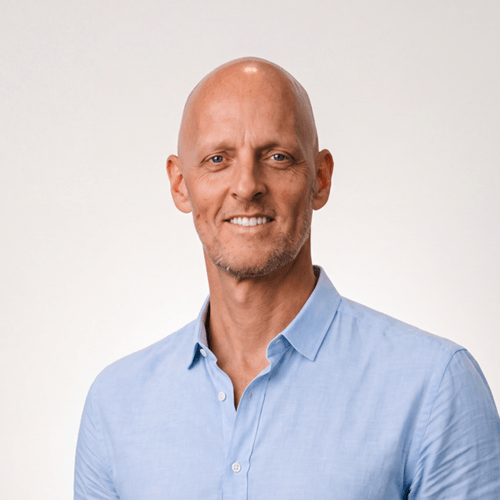
Yasmin Nguyen
Yasmin NguyenCo-founder and CEO
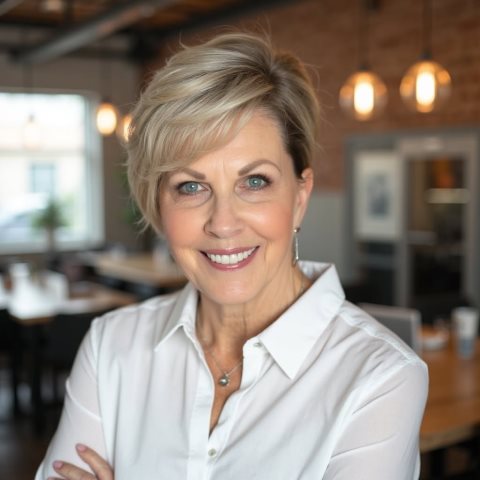
Kathleen Mundy
Kathleen MundyCo-founder and COO

We didn't just study this problem. We lived it.

Kathleen Mundy built a multimillion dollar business from a modest investment and trusted three advisors with the result. The one who finally knew her retired, and the advisors who replaced him inherited her accounts and none of what he knew. She left. The money was fine. Being unknown was the problem.

Yasmin Nguyen spent his early career at Arthur Andersen helping large organizations adopt new systems, and the two decades after it running businesses of his own. Then he watched his parents, secure by every number on a statement, come apart in retirement while no one paid attention to the human side of what they were going through.

We didn't build this because the market looked good. We built it because we both saw, from opposite sides, what happens when the money is well managed and the person is never really known.

Why we're building this →

This is where trust is built.

A client who feels understood stays. They bring you more of their money, and they send you their friends. It starts one meeting at a time.

Early access is by invitation. Here's what you get.

Meeting Intelligence is ready for a small number of firms this year. Your advisors get the brief before their own client meetings, you work directly with the founders, and you have first say in what gets built next.

What you get: advisors who walk in prepared. What we ask: a leader who wants this to work, a few advisors with meetings on the calendar, and the notes your firm already has.

If you've been invited, the next step is a short form. If you haven't, ask. We open a few places at a time.